How a Wet Saw Improves Precision in Cutting Hard Materials
A wet saw is a specialized cutting tool used for materials like tile, stone, and concrete. It uses water to cool the blade and reduce dust during operation. This feature makes it different from dry cutting tools. Many professionals rely on it for accurate and clean cuts. It is widely used in construction and renovation projects.
How a Wet Saw Works in Practical Use
A wet saw operates with a diamond blade that spins at high wet saw speed. Water flows over the blade while it cuts, keeping it cool and reducing friction. This process helps prevent overheating and extends the blade’s life. The result is a smoother and more precise cut.
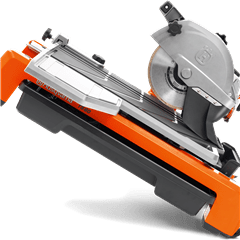
Most wet saws include a water reservoir or a pump system. The water is recycled during operation, making it efficient for longer tasks. A typical machine can run for 30 to 60 minutes without needing a refill, depending on the model. This setup allows continuous work without frequent interruptions.
Accuracy is one of its biggest advantages. The stable platform and guided cutting system help users maintain straight lines. This is important when working with tiles that need exact measurements. Even small errors can affect the final result.
Noise levels are moderate. Still manageable.
Choosing the Right Wet Saw for Your Project
Selecting a wet saw depends on the type of material and the size of the job. Smaller tabletop models are suitable for home projects, while larger bridge saws handle heavy-duty tasks. Many professionals look at trusted guides such as resources to compare features and performance. This helps them make informed decisions.
Blade size plays a major role. Common sizes include 7-inch and 10-inch blades, which determine the depth of the cut. Larger blades allow deeper cuts but require more powerful motors. Choosing the right size ensures better efficiency.
Motor strength also matters. A stronger motor can handle dense materials like granite or thick stone without slowing down. For example, a saw with a 1.5 horsepower motor performs better in demanding conditions than smaller units. Power supports consistency.
Here are a few factors to consider when selecting a wet saw:
– Type of material being cut, such as ceramic, porcelain, or stone
– Blade size and cutting depth requirements
– Motor power and durability for long use
– Portability for moving between job sites
Safety Measures While Operating a Wet Saw
Using a wet saw requires attention to safety. The blade spins at high speed, and water is involved, which adds another layer of caution. Protective gear like gloves and safety glasses should always be used. These reduce the risk of injury.
Proper setup is important. The machine should be placed on a stable surface to avoid movement during operation. Loose positioning can lead to uneven cuts or accidents. Stability improves control.
Electric safety should never be ignored. Since water is used, the saw must be connected to a proper power source with protection against short circuits. Many models include built-in safety features, but users must still remain careful. Awareness reduces risk.
Take breaks during long sessions. Continuous use can cause fatigue, which affects precision and safety, especially when working on large projects that require repeated cuts over extended periods of time and demand consistent focus.
Maintenance Tips for Long-Term Performance
Maintaining a wet saw is essential for reliable operation. Cleaning the water tray after each use prevents buildup of debris and sludge. This keeps the water system functioning properly. A clean machine works better.
The blade should be inspected regularly. A worn blade can reduce cutting quality and increase effort. Replacing it at the right time ensures smooth performance. Many professionals check the blade after every major project.
Water pumps also need attention. If the pump gets clogged, water flow may stop, leading to overheating. Regular cleaning keeps the system working efficiently. Small maintenance steps prevent bigger issues.
Storage conditions matter too. Keeping the saw in a dry and covered space protects it from damage. Exposure to moisture outside the system can affect electrical parts. Proper storage extends its lifespan.
A wet saw offers precision and efficiency for cutting hard materials, making it a valuable tool for both small and large projects. Proper selection, safe handling, and regular maintenance all contribute to better performance. Taking time to understand its features helps achieve cleaner cuts and longer tool life.
Leave a Reply